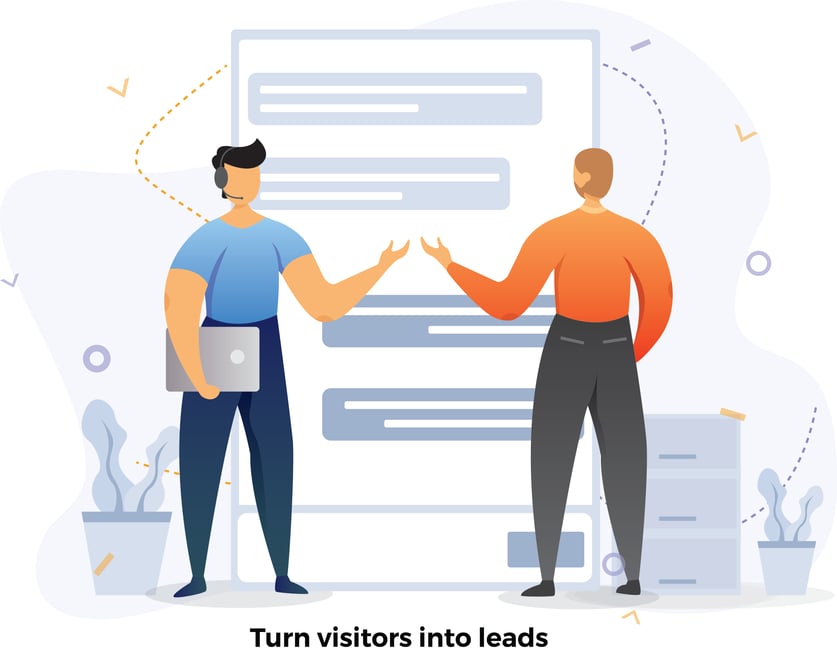


Inbound marketing is focused on the organic attraction and long-term nurturing of leads. For that reason, knowing when and how to close your lead (convert them into customers) can be a bit tricky. You'd want to avoid closing “salesy” after all that effort spent on providing value.
The closing in the sales process looks a little different within the inbound marketing methodology than it does in a traditional sales setting.
Here’s how to close inbound leads while still sticking to your value-based marketing strategy during sales enablement process:
1. Find out who’s ready to commit:
- Use a great CRM system: Track how leads interact with your website.
Did they download an ebook? Did they fill out a form asking to be contacted? Have they reached out on social media? All of these contact points can be documented within your CRM. - Set up automated emails and analyze them: If a lead has requested emails about your product or service, send them...and analyze them thoroughly. For example, if a lead has opened several emails and clicked through to pricing information AND downloaded a product white paper, that is a sign that they’re ready to buy! Further emails should be personalized and geared towards how your product solves their problems, rather than engagement-focused newsletters or how-to guides.
2. Send the lead to your sales team:
Once you’ve identified and qualified leads are the “close” stage, they are ready for sales staff contact. If your inbound marketing strategy has done its job, your salespeople should have an easier time - this requires marketing and sales alignment. This is because closing a deal requires trust, which has already been established through your high-value content offerings and engagement-focused communication.
A word of caution: Don’t send a lead over too early! Signing up for emails or downloading a guide might SEEM like sure signs that a lead is ready to be closed, but it often takes several inbound contacts before a lead will be responsive to a closing attempt.
3. Close leads the inbound way:
“Always be closing” is a bit outdated. Instead, shift the focus to “always be serving.” Your inbound strategy should have already built lots of trust, but your salespeople need to employ the same helpfulness, that is to continue to provide value to your leads while closing. Here are some strategies:
- Ask lots of questions: Be like a doctor with a patient rather than a salesperson with a prospect. You’re diagnosing a problem and providing a way to alleviate it.
- Quantify your prospect’s needs: You already know your lead needs something from you...that’s why they’re on your website and downloading your tools! To close inbound leads, quantifying their needs can be helpful. Knowing their current status and goals not only helps you tailor your sales approach, it helps emphasize your prospect’s needs in their own minds.
This guide should have you up-to-speed on how to close leads! If you need a little assistance, you have a whole team of marketers and entrepreneurs at the ready. Reach out to Tobe with any questions!